

Acoustic screens and walls are specialised solutions designed to reduce noise and reverberation and ensure privacy in usable spaces. They are ideal where traditional walls are impractical or where flexible systems are needed to adapt to changing organisational needs.
Free-standing acoustic screens and mobile partitions are made of sound-absorbing materials, such as mineral wool, PET felt panels, acoustic foams or other sound-absorbing fabrics, which significantly reduce noise levels and reverberation time in open-plan offices, conference rooms, offices or industrial halls.
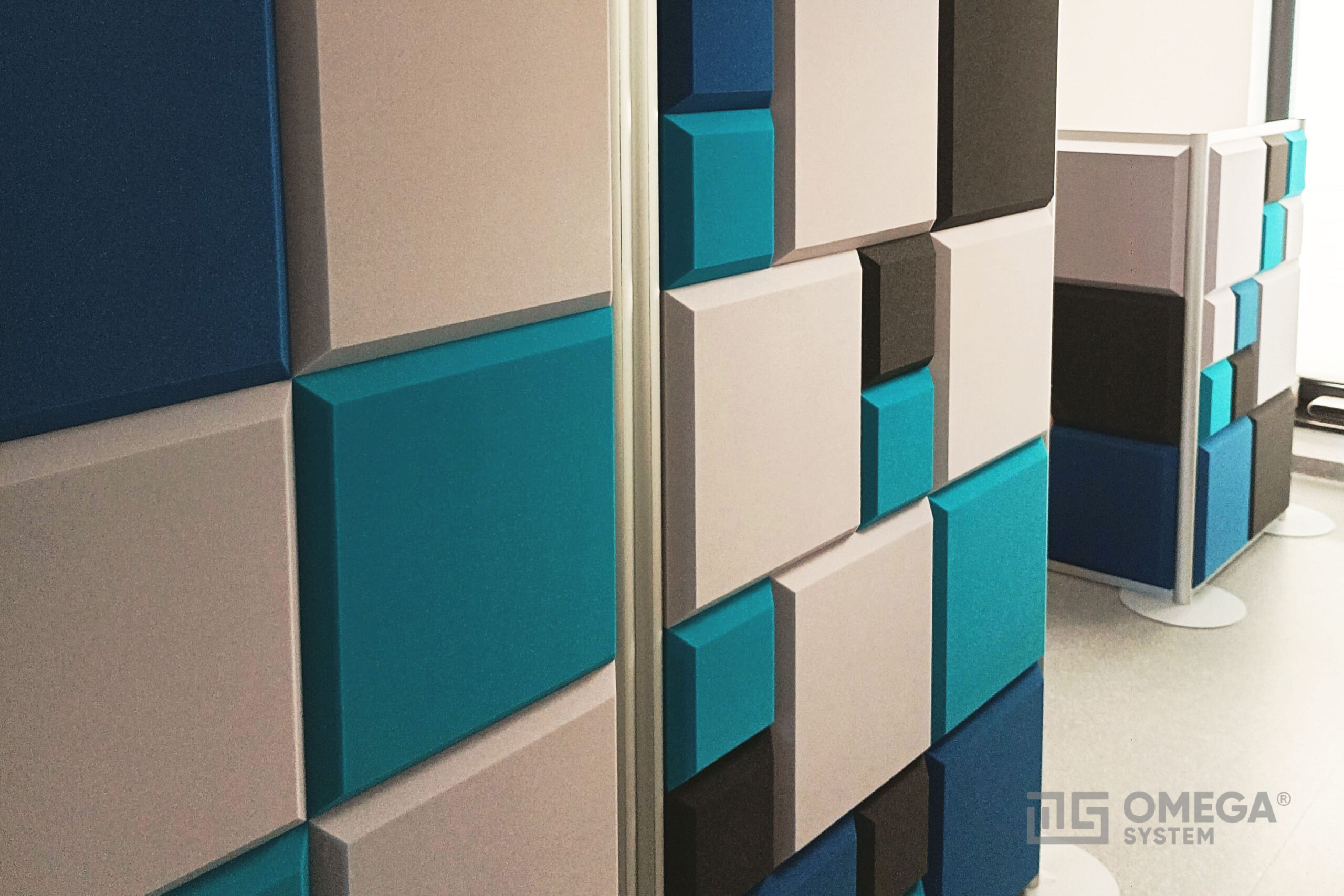
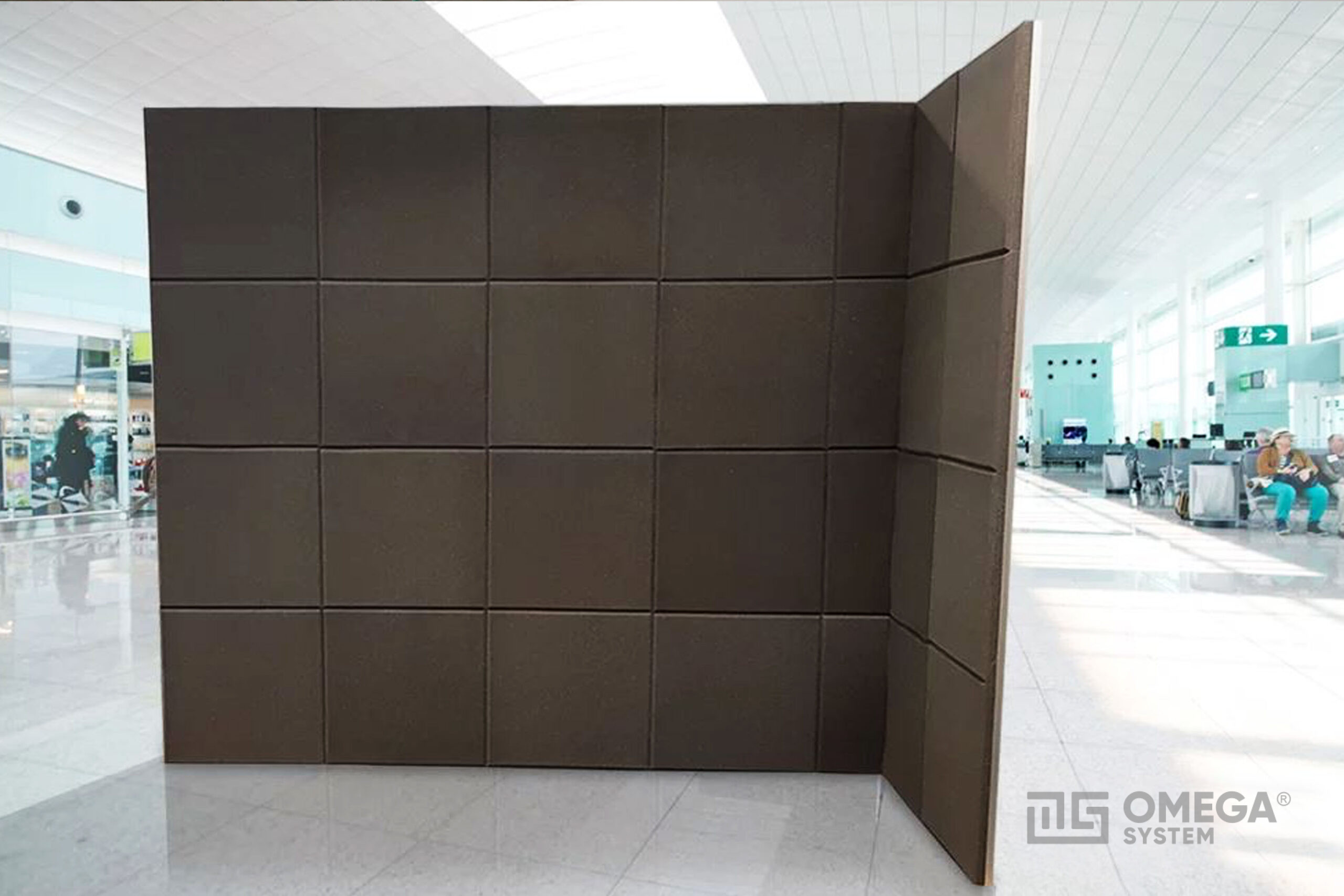
Acoustic walls can be used as permanent partitions or mobile screens, e.g. on wheels or temporarily installed, making them easy to move, modify the layout of the space or create quiet zones — e.g. for conversations, video conferences, work requiring concentration or rest. Screens can be single-sided or double-sided, with different heights and widths to suit local acoustic and spatial conditions.
screens, acoustic wallsSilence, privacy and comfort in noisy environments
In industry and production halls, acoustic walls and screens serve not only for comfort, but also for protecting the health of employees – soundproofing direct machine noise, separating noise-generating areas, which contributes to hearing protection and reduces effective fatigue. Ceiling and wall variants (acoustic panels) also allow for the soundproofing of vertical or horizontal surfaces, complementing the effect of screens and walls.
Applications and target groups
- Open-plan offices, co-working spaces – where work, telephone and relaxation areas need to be separated, and where noise distracts concentration.
- Conference/meeting/training rooms – creating intimate areas without structural interference; screens or walls allow for privacy and good audibility.
- Industry, production halls and workshops – suppression of machine noise, protection of employees’ hearing, compliance with health and safety standards, separation of noisy areas.
- Public facilities / medical institutions – waiting rooms, clinics, diagnostic rooms, where it is necessary to reduce noise and ensure comfort for patients and staff.
- Interior designers, architects, acoustic integrators – who offer their clients aesthetic, customised, mobile or permanent solutions that also meet acoustic standards.
