

The construction of outdoor display cubes is based on frames made of aluminium profiles, which are durable and aesthetic, ensuring stability even in difficult weather conditions.
The cubes were designed for outdoor exhibitions, but they also work well indoors – the panels can be filled with PVC, aluminium composite panels, illuminated plexiglass or other materials tailored to the specific application.
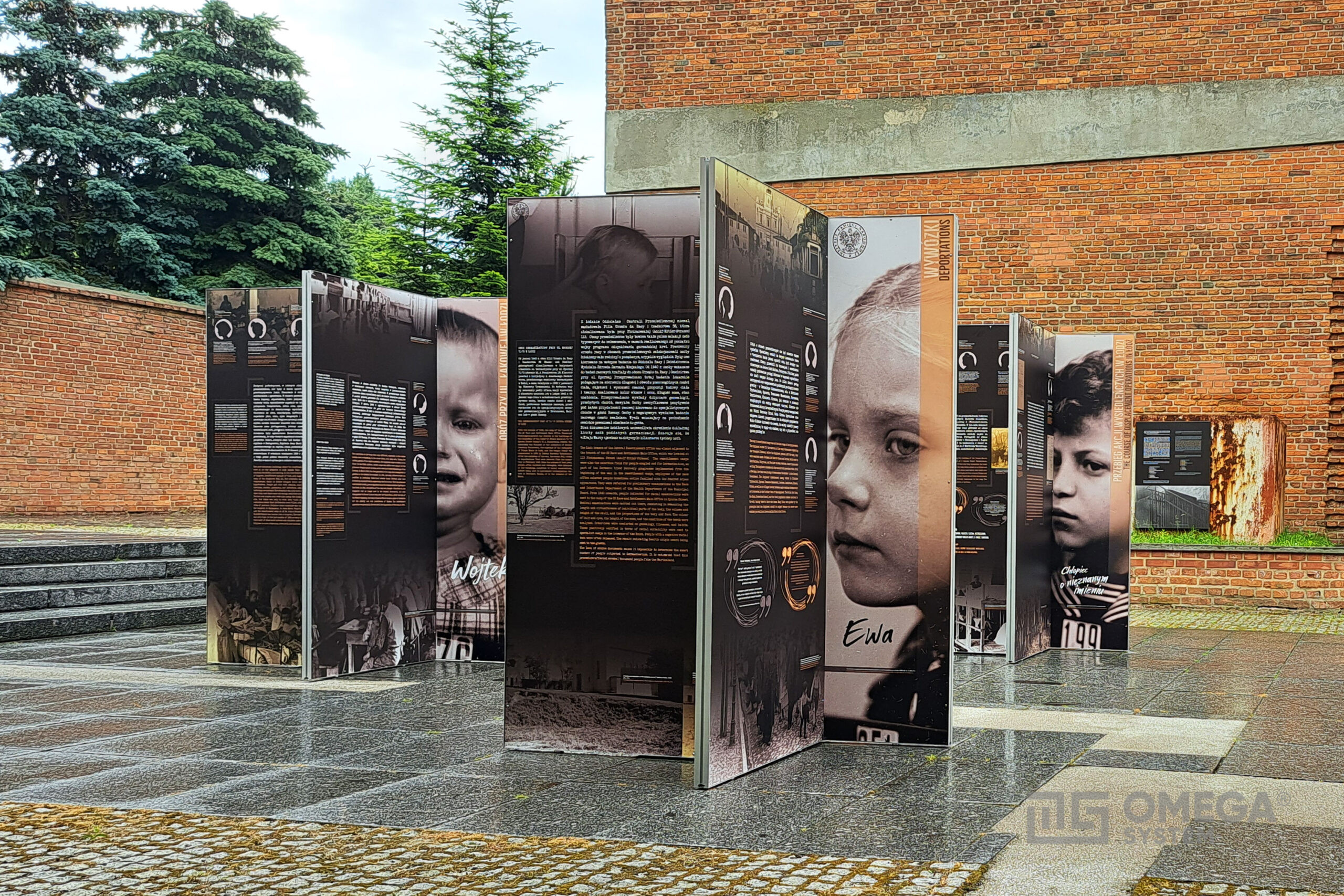
In terms of assembly and construction, outdoor display cubes are equipped with solid concrete weights – in outdoor versions, these will be concealed or aesthetically integrated, which helps to maintain the stability of the structure and the safety of the exhibits. The profiles can be anodised, powder coated in colours from the RAL palette or coated with wood-imitation coatings.
display cubesDisplay cubes – exhibition in an open and mobile space
The graphics on the display cubes can be displayed in various forms: through UV printing directly onto the board, prints on self-adhesive foil protected with laminate, and in illuminated versions – using plexiglass panels or semi-transparent materials. The illuminated version also allows for presentation after dark, which increases the attractiveness of the cubes as elements of outdoor exhibitions.
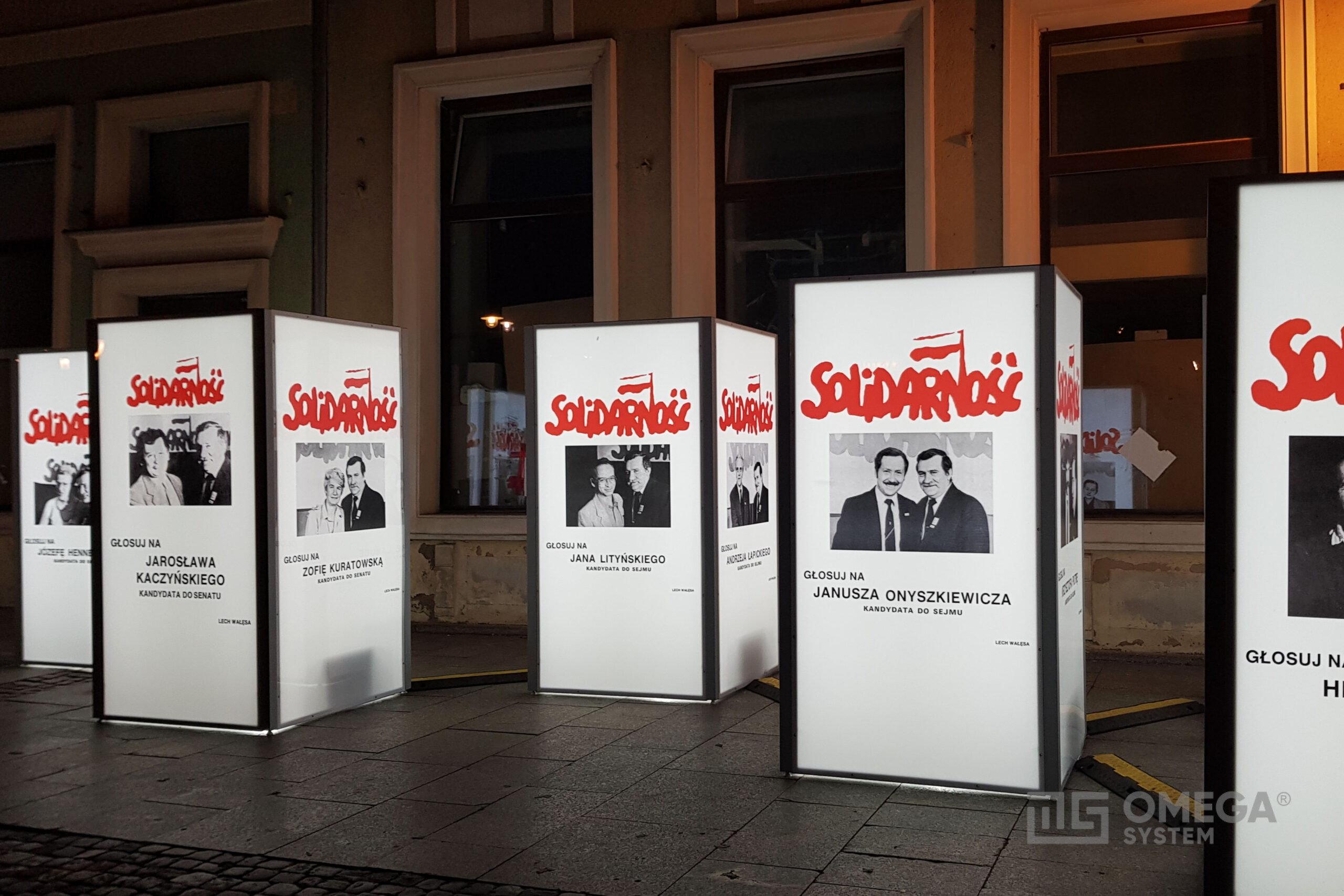
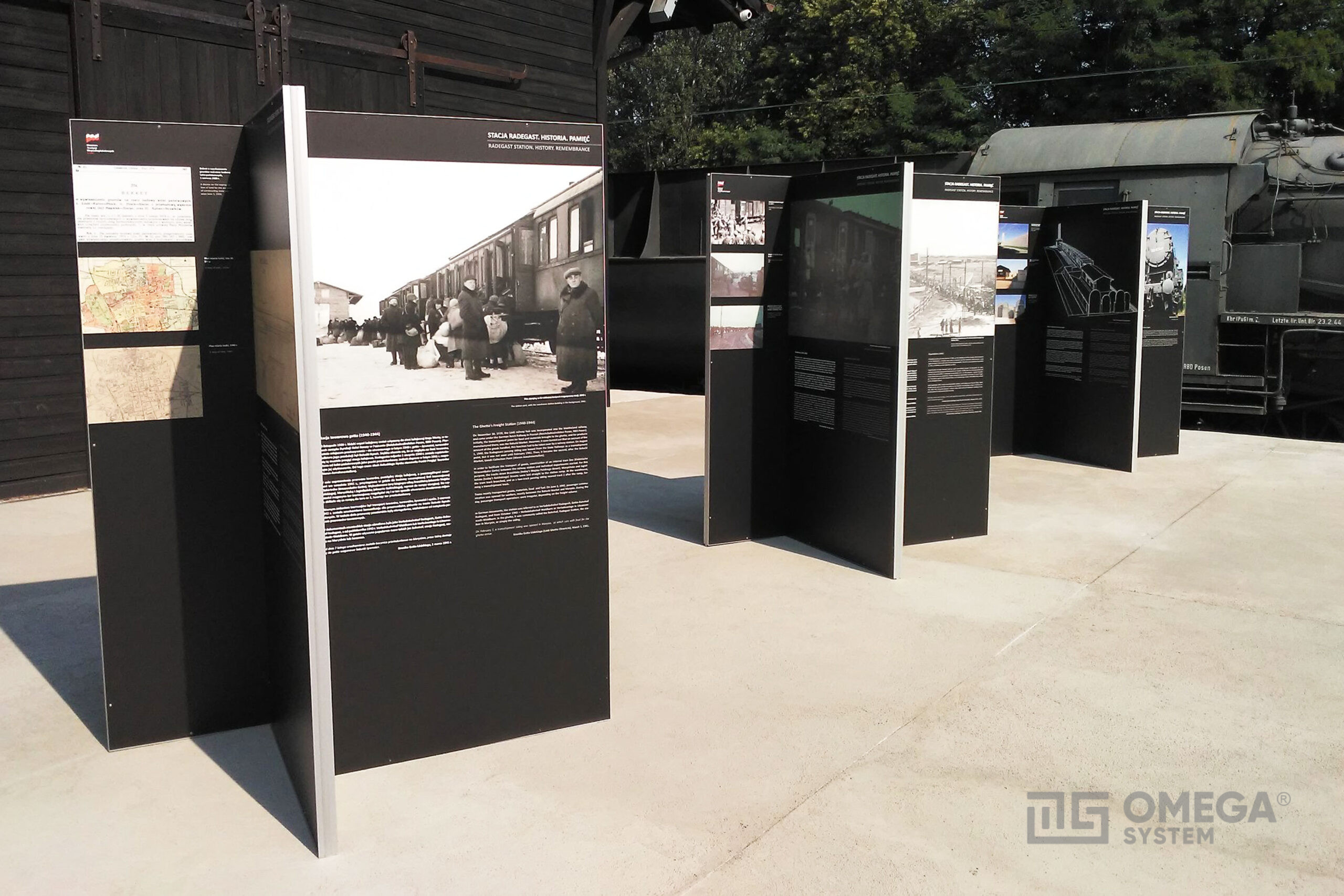
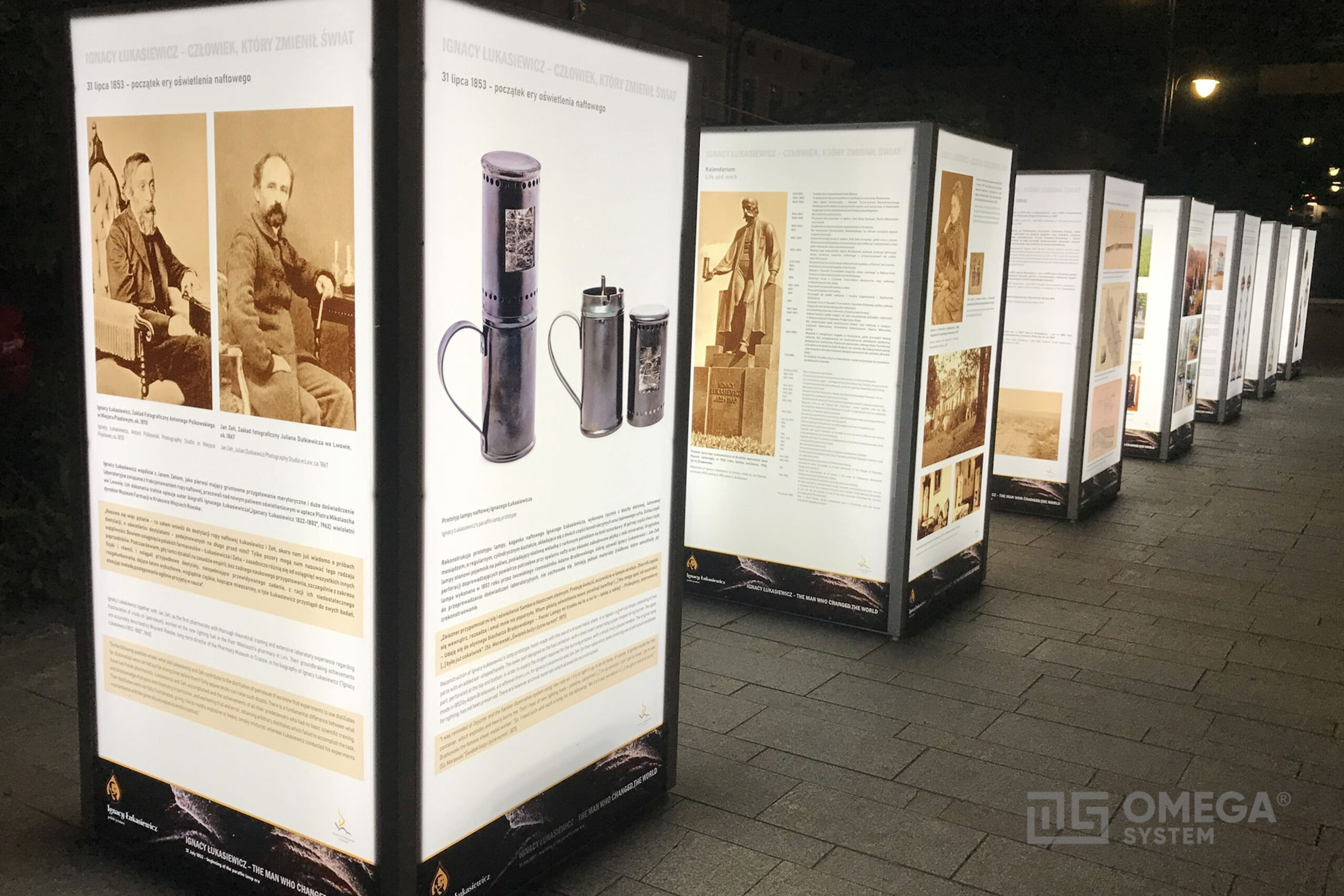
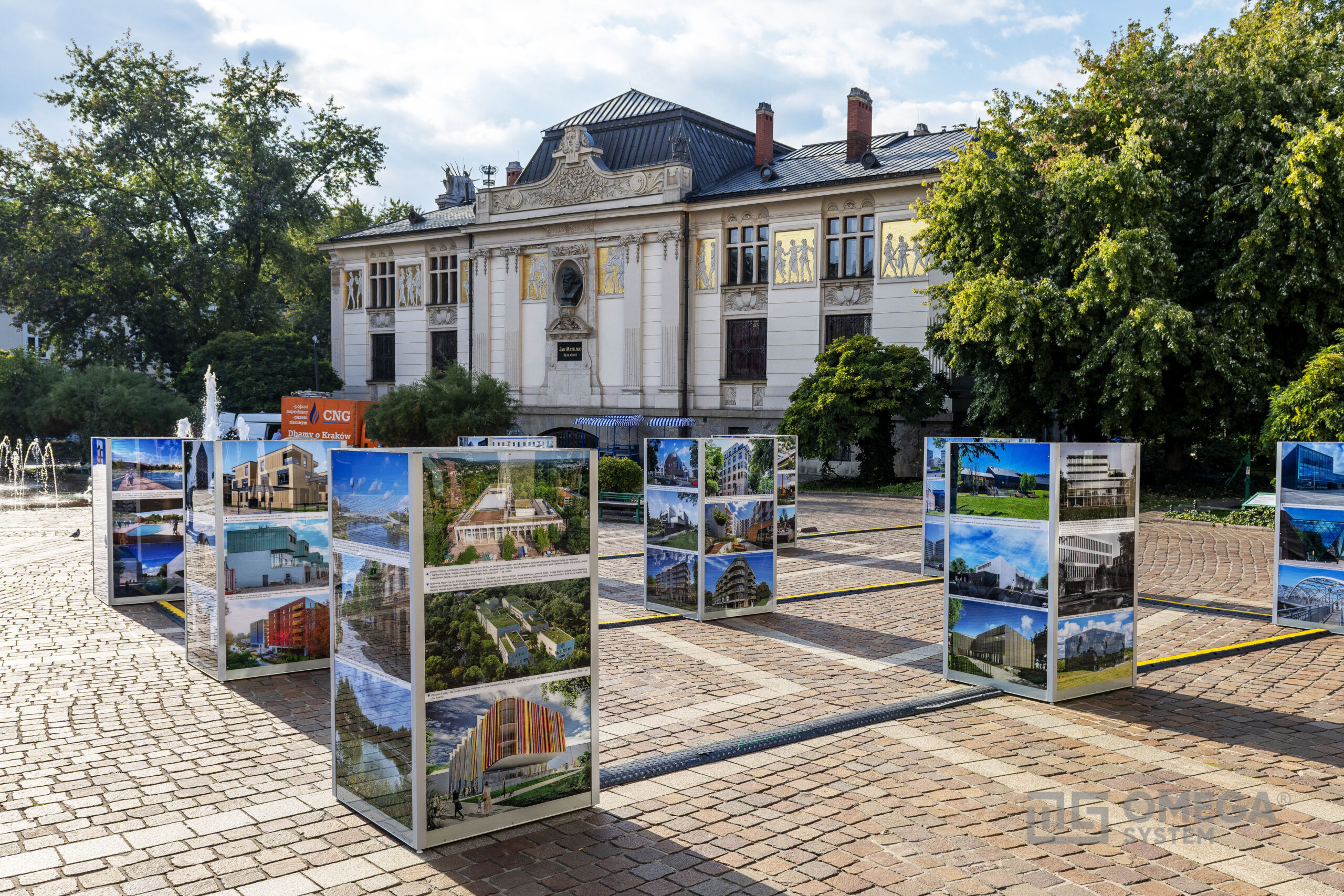
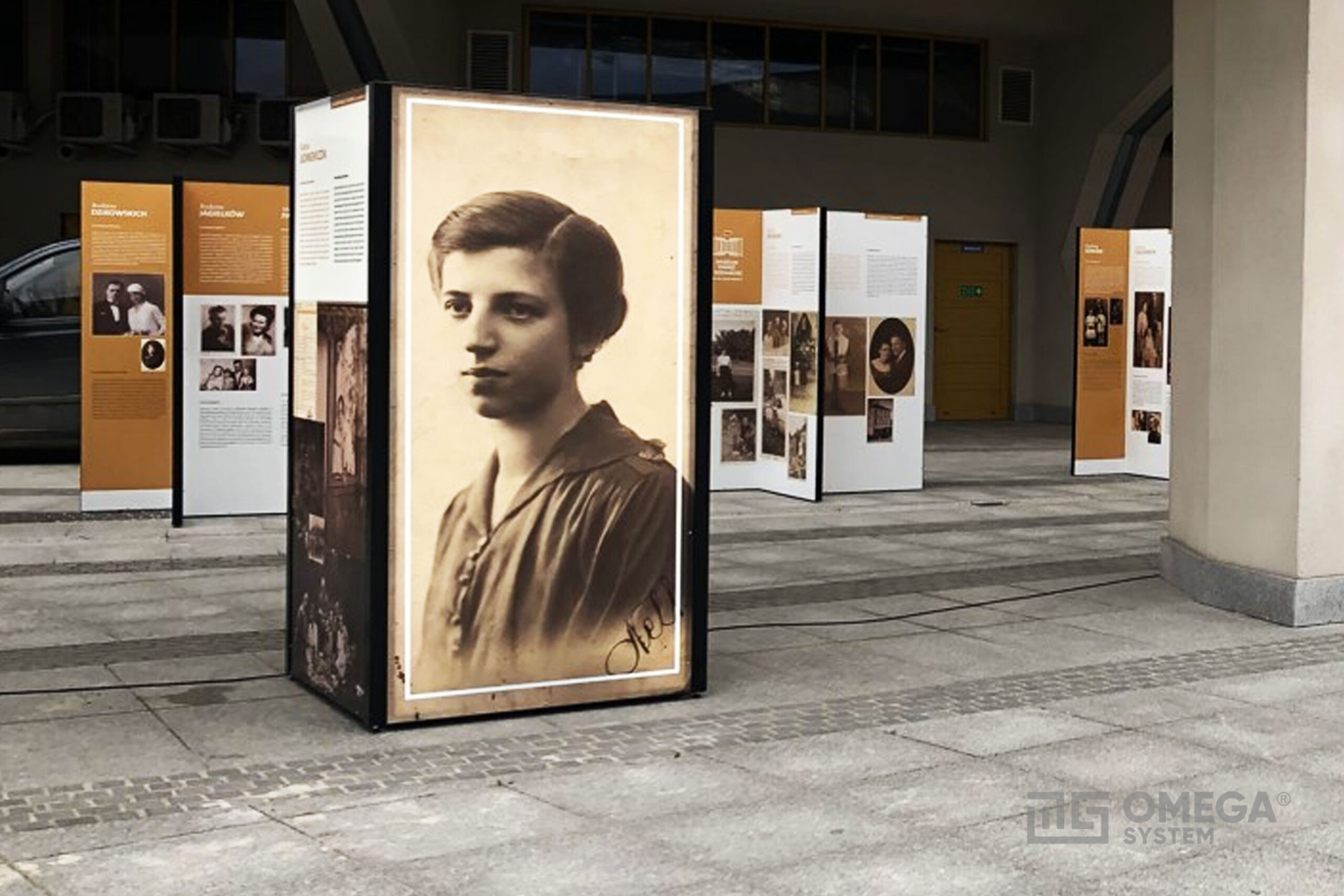
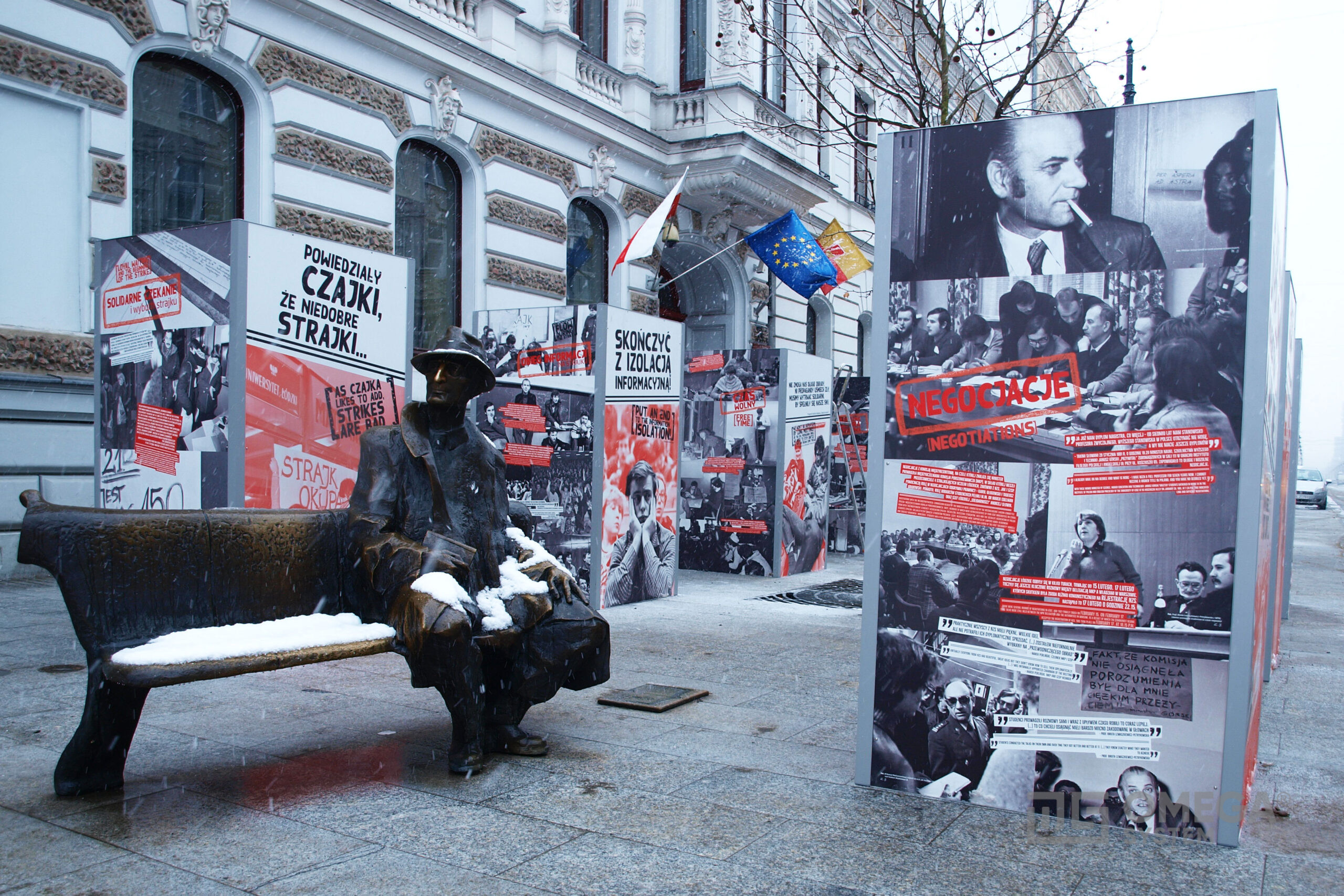
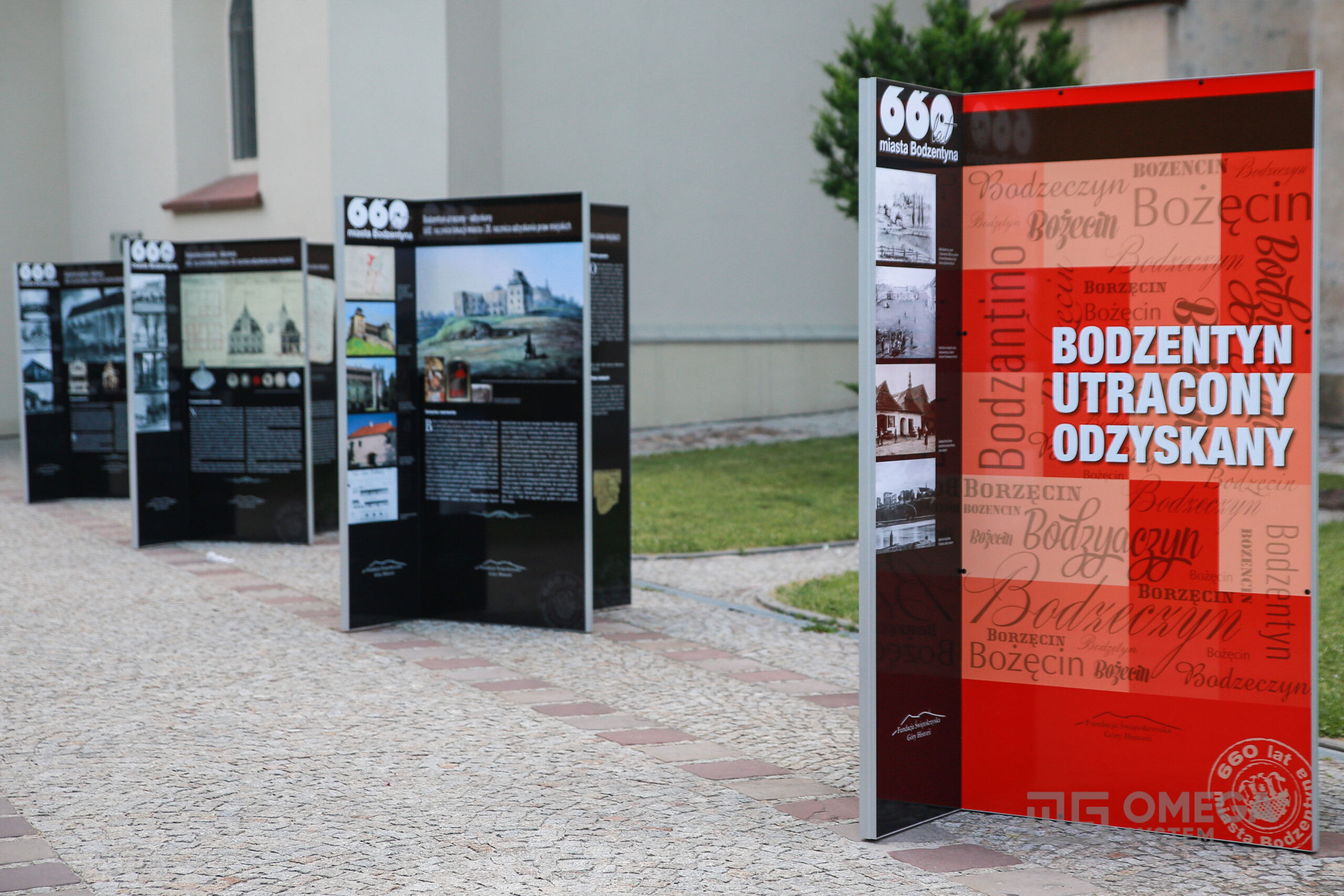
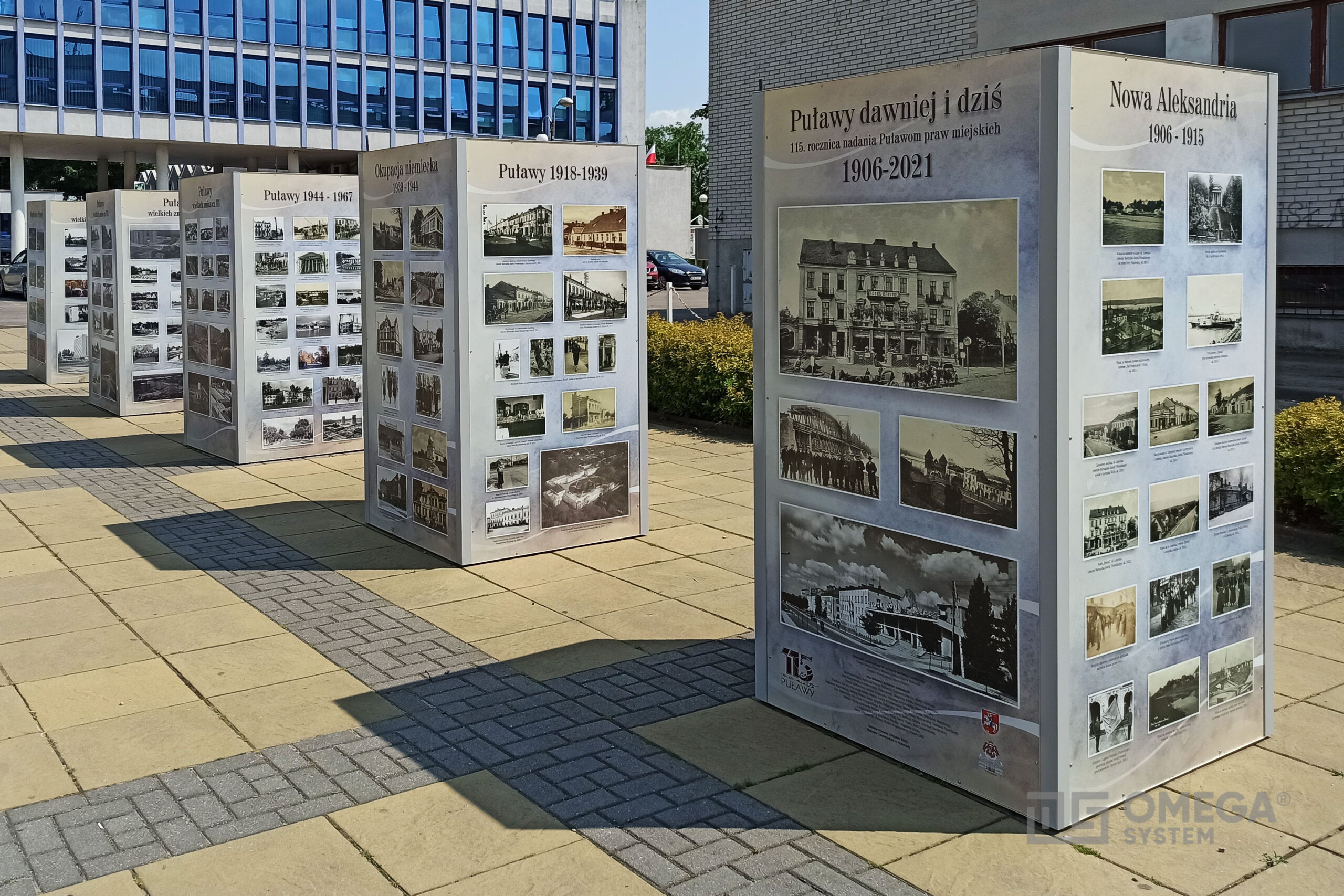
Display cubes are ideal for museums and galleries that organise outdoor exhibitions – in courtyards, parks, squares, on museum building facades, etc. They allow you to create exhibition islands – free-standing structures that visitors can walk around and view from all sides.
Target groups and applications:
- Historical and open-air museums – which want to expand their outdoor exhibition offerings and show temporary exhibitions outside the walls of the building.
- Outdoor art galleries – creating installations in parks or urban spaces.
- Memorial and educational institutions – institutes, memorial chambers, memorial sites that want to display information, photos and educational texts on Cubes.
- Events, festivals, cultural fairs – where mobile, easy-to-transport and easy-to-assemble exhibition objects are needed.
- Exhibition designers and set designers – who appreciate the possibility of creating spatial structures, unusual forms, illuminated or painted to individual orders.
Benefits for museums:
- the possibility of expanding exhibitions beyond the traditional hall,
- better use of outdoor space,
- increased visitor engagement thanks to open spaces,
- the possibility of attracting attention through illuminated elements and structures visible from different perspectives.
